Blog

  • Professional Tree Care: Building a Safe, Healthy, and Sustainable Landscape

    Trees are valuable natural resources that contribute to environmental protection, human well-being, and the beauty of outdoor spaces. They provide oxygen, absorb harmful gases, reduce noise pollution, and create comfortable shaded areas. However, maintaining healthy trees requires more than occasional watering and trimming. Proper tree care involves understanding tree biology, identifying potential risks, maintaining healthy soil, and following sustainable gardening practices.

    1. Regular Tree Inspections

    Regular inspections are essential for identifying problems at an early stage. Tree owners should examine leaves, branches, trunks, and surrounding soil to check for unusual changes. Cracks in the trunk, dead branches, damaged roots, and fungal growth may indicate underlying health problems. Inspections are particularly important after strong winds, heavy rainfall, or extreme temperatures. For large or valuable trees, consulting a qualified arborist can help identify structural problems and recommend appropriate solutions.

    2. Importance of Proper Tree Pruning

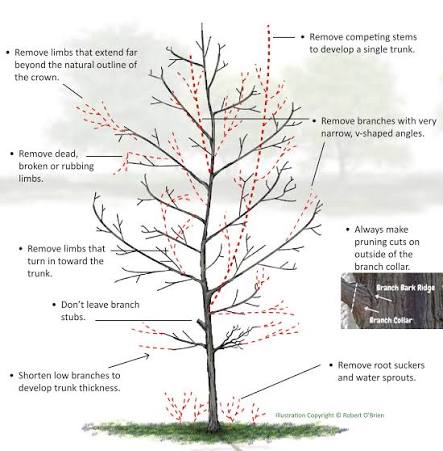
    Pruning helps trees maintain their structure, appearance, and overall health. Removing dead, diseased, and damaged branches reduces potential hazards and improves the tree’s condition. It also helps sunlight reach the inner branches and allows better air circulation through the canopy. However, excessive pruning can weaken a tree and affect its natural development. Each tree species has different pruning requirements, so the timing and technique should be selected carefully.

    3. Managing Water and Moisture

    Water management is one of the most important aspects of tree maintenance. Both insufficient and excessive watering can create serious problems. Young trees generally require more frequent attention because their root systems are not fully established. Mature trees may need additional water during prolonged droughts. Checking soil moisture before watering helps prevent unnecessary water use. Applying mulch around the root zone also helps reduce evaporation and maintain consistent soil moisture.

    4. Preventing Insect Damage

    Various insects can damage trees by feeding on leaves, boring into trunks, or attacking roots. Some insects cause visible damage, while others may weaken trees without immediate signs. Regular monitoring can help detect insect activity early. Maintaining good growing conditions is an important part of prevention. Where pest problems occur, suitable treatments should be selected carefully to avoid harming beneficial insects and surrounding wildlife. Professional advice is recommended for serious infestations.

    5. Protecting Trees During Construction

    Construction and landscaping activities can seriously affect existing trees. Heavy machinery, excavation, soil compaction, and changes in ground level may damage important roots. Before beginning construction, identify trees that need protection and establish suitable protective zones around their root areas. Avoid storing building materials or parking equipment near tree trunks. Planning ahead can prevent unnecessary damage and preserve mature trees.

    6. Supporting Tree Growth Through Mulching

    Mulching is a simple but effective tree care practice. Organic materials such as wood chips, bark, and compost can be used to cover the soil around trees. Mulch helps control weeds, conserve moisture, regulate soil temperature, and gradually improve soil quality as it decomposes. A suitable mulch layer should cover the root area while leaving a clear space around the trunk. This prevents excessive moisture from collecting against the bark.

    7. The Role of Professional Tree Care Services

    Some tree maintenance activities require specialist knowledge and equipment. Professional arborists can assess tree health, identify diseases, carry out complex pruning, and evaluate structural risks. They can also provide recommendations about planting, maintenance schedules, and long-term tree preservation. Hiring trained professionals is especially important when dealing with large branches, dangerous trees, or work near buildings and power lines.

    Conclusion

    Professional tree care is an important investment in environmental health and landscape safety. Regular inspections, appropriate pruning, balanced watering, pest management, and root protection all contribute to stronger and healthier trees. By combining responsible maintenance with professional guidance, individuals and communities can protect their green spaces for many years. Caring for trees today means creating a safer, greener, and more sustainable environment for tomorrow.

  • Expert Tree Care and Maintenance: Practical Solutions for Healthy Growth and Long-Lasting Landscape Beauty

    Expert Tree Care and Maintenance: Practical Solutions for Healthy Growth and Long-Lasting Landscape Beauty

    Trees are essential to maintaining a healthy environment and creating attractive outdoor spaces. They provide shade, absorb carbon dioxide, improve air quality, and support a wide variety of wildlife. They also help conserve soil, regulate temperatures, and contribute to the natural water cycle. However, trees need proper care to remain healthy and strong throughout their lives. Factors such as changing weather, unsuitable soil, pests, diseases, and human activities can affect their growth and development. Understanding effective tree maintenance techniques helps homeowners, gardeners, and professional landscapers protect trees and maintain beautiful, sustainable environments.

    1. Understanding the Importance of Tree Site Assessment

    A site assessment is an important step before planting or maintaining trees. It involves examining soil conditions, sunlight exposure, drainage, available space, and nearby structures.

    Understanding these conditions helps determine whether a particular tree species is suitable for the location.

    A proper assessment can prevent future problems associated with restricted root growth, poor drainage, insufficient sunlight, and overcrowded planting.

    2. Choosing Trees That Support Local Wildlife

    Trees provide important resources for birds, insects, and other wildlife.

    Flowering trees offer nectar and pollen, while fruit-bearing trees provide seasonal food. Dense branches can also create nesting areas and shelter.

    Selecting native species that support local wildlife helps improve biodiversity and creates a more balanced garden ecosystem.

    3. Understanding the Role of Organic Compost

    Compost can improve soil structure and increase the amount of organic matter available to beneficial soil organisms.

    Suitable compost may help sandy soils retain moisture and improve the structure of some heavier soils.

    However, compost should be applied appropriately and should not be piled against tree trunks.

    Soil testing and an understanding of individual tree requirements can help determine whether additional organic materials are beneficial.

    4. Protecting Trees From Excessive Soil Compaction

    Soil compaction occurs when soil particles become pressed together, reducing the spaces available for air and water.

    This can restrict root development and make it more difficult for trees to absorb essential resources.

    Avoid parking vehicles, storing heavy equipment, or repeatedly walking over sensitive root areas.

    Maintaining protected planting zones can help preserve suitable soil conditions.

    5. Maintaining Trees in Small Urban Gardens

    Small urban gardens often have limited planting space and challenging environmental conditions.

    Selecting appropriately sized trees is essential for maintaining a balanced landscape.

    Consider compact ornamental varieties, suitable native species, and trees with manageable mature dimensions.

    Plan for future canopy growth and avoid placing trees too close to buildings, fences, and underground services.

    6. Recognizing the Effects of Air Pollution on Trees

    Air pollution can affect tree foliage and interfere with normal physiological processes.

    Trees growing near busy roads and industrial areas may experience exposure to different atmospheric pollutants.

    Selecting suitable urban tree species, maintaining healthy soil, and providing adequate growing space can improve their ability to tolerate challenging conditions.

    Urban planting programs can also contribute to healthier and more attractive neighborhoods.

    7. Understanding Tree Water Absorption

    Tree roots absorb water from the surrounding soil, allowing it to move through the trunk and branches toward the leaves.

    Water supports photosynthesis, nutrient transportation, and temperature regulation.

    When soil becomes excessively dry, trees may experience reduced growth and leaf damage. When soil remains waterlogged, root function can also decline.

    Maintaining appropriate soil moisture is therefore essential for tree health.

    8. Improving Tree Care Through Regular Inspections

    Regular inspections help identify developing problems and support responsible maintenance.

    Examine the trunk, branches, foliage, and surrounding ground for unusual changes.

    Pay attention to dead branches, cracks, fungal growth, premature leaf loss, and visible root problems.

    For large trees or those near frequently used areas, professional inspections can help evaluate structural safety.

    9. Understanding the Importance of Tree Species Compatibility

    Different tree species have different environmental and maintenance requirements.

    Some tolerate shade, while others need full sunlight. Some prefer moist soil, whereas others grow better in well-drained conditions.

    When planting several species together, consider their mature size, water requirements, and root development.

    Compatible planting creates healthier landscapes and reduces competition for available resources.

    10. Maintaining Trees During Periods of Heavy Rain

    Heavy rainfall can increase the risk of waterlogging, soil erosion, and root exposure.

    Inspect planting areas after prolonged rainfall to identify standing water or changes in soil conditions.

    Ensure that drainage systems are functioning properly without redirecting excessive water toward established trees.

    Where necessary, seek professional advice about drainage improvements and root protection.

    11. Protecting Young Trees From Physical Damage

    Young trees need protection while their trunks and branches develop.

    Animals, lawn equipment, strong winds, and accidental impacts can cause damage during the establishment period.

    Appropriate guards, temporary supports, and protected planting areas can help reduce these risks.

    Inspect protective equipment regularly to ensure it does not restrict trunk growth or create additional injuries.

    12. Understanding the Importance of Natural Tree Shapes

    Every tree species develops a characteristic growth form.

    Some have broad spreading canopies, while others grow upright or develop rounded crowns.

    Maintaining natural tree structure is generally preferable to unnecessary shaping or excessive cutting.

    Responsible pruning should focus on specific health, clearance, or structural requirements.

    13. Supporting Tree Health Through Pollinator-Friendly Planting

    Pollinators play an important role in many natural ecosystems.

    Flowering trees provide food for bees, butterflies, and other beneficial organisms.

    Planting different flowering species can provide resources throughout several seasons.

    Avoid unnecessary pesticide applications during flowering and choose plant varieties that suit local environmental conditions.

    14. Managing Trees Around Garden Pathways

    Trees can improve pathways by providing shade and creating attractive natural surroundings.

    However, inappropriate species selection may lead to maintenance difficulties as roots and canopies develop.

    Consider mature root characteristics and canopy dimensions before planting near pathways.

    Provide adequate planting space and inspect paved areas periodically for changes.

    15. Understanding Tree Regeneration

    Tree regeneration is the process through which new trees develop naturally from seeds, seedlings, or vegetative growth.

    Natural regeneration can support forest recovery and maintain biodiversity.

    In gardens and managed landscapes, suitable seedlings may be protected and encouraged where they have enough space to develop.

    Where regeneration is insufficient, additional planting may be required.

    16. Maintaining Trees in Commercial Landscapes

    Commercial properties often depend on trees to create attractive entrances, shaded outdoor areas, and welcoming surroundings.

    A professional maintenance plan should include regular inspections, appropriate irrigation, necessary pruning, and protection of root zones.

    Maintaining an organized tree inventory can help property managers identify maintenance priorities and plan future landscaping investments.

    17. Preventing Problems Through Responsible Tree Selection

    Many future tree-care problems can be reduced by selecting suitable species before planting.

    Research mature height, canopy width, soil preferences, environmental tolerance, and potential pest susceptibility.

    Consider the tree’s purpose and whether its natural growth pattern will suit the surrounding landscape.

    Good planning is one of the most effective ways to reduce long-term maintenance requirements.

    18. Protecting Mature Trees During Landscape Improvements

    Mature trees provide significant shade, habitat, and environmental benefits.

    Landscape improvements should avoid unnecessary excavation, root cutting, and changes to soil levels near established trees.

    Protect the root zone before beginning major work and consult an arborist when construction or landscaping activities may affect valuable trees.

    19. Creating an Effective Seasonal Tree Care Plan

    A seasonal plan helps organize maintenance according to changing environmental conditions.

    • Spring: Monitor new growth, inspect foliage, and check irrigation systems.
    • Summer: Monitor soil moisture and protect vulnerable trees from drought stress.
    • Autumn: Observe seasonal changes, manage suitable fallen leaves, and assess tree condition.
    • Winter: Inspect storm damage and arrange appropriate dormant-season maintenance where suitable.

    Adapt the schedule to the species and local climate.

    20. Building Environmental Awareness Through Tree Preservation

    Tree preservation is an important part of sustainable environmental management.

    Individuals can protect trees by planting suitable species, conserving water, maintaining healthy soil, and avoiding unnecessary removal.

    Communities can support tree conservation through educational programs, public planting initiatives, and responsible landscape planning.

    These efforts help protect biodiversity and improve the quality of local environments.

    Conclusion

    Expert tree care involves careful planning, regular inspections, and a clear understanding of the environmental conditions that influence tree development. Proper species selection, healthy soil, balanced irrigation, root protection, and responsible pruning all contribute to stronger and healthier trees. Protecting mature trees and supporting biodiversity are equally important for sustainable landscapes. By combining practical maintenance techniques with professional advice and environmental awareness, homeowners, gardeners, and businesses can preserve valuable trees for many years. Every responsible tree-care decision contributes to healthier ecosystems, more attractive outdoor spaces, and a greener future for generations to come.
    v
  • Maintaining Trees Near Roads and Parking Areas

    Maintaining Trees Near Roads and Parking Areas

    Trees growing near roads and parking spaces may experience soil compaction, pollution, physical damage, and restricted root development.

    Choose species that tolerate local urban conditions and provide sufficient planting space.

    Protect tree roots from vehicle traffic and avoid storing heavy materials beneath their canopies.

    Appropriate planting design can improve both tree health and the appearance of developed areas.

    9. Understanding the Benefits of Native Tree Species

    Native trees are naturally adapted to the environmental conditions of their regions.

    They can provide important food sources, shelter, and breeding habitats for local wildlife.

    Planting native species can also support biodiversity and contribute to ecological restoration.

    Research local species before planting because individual trees may have different requirements for soil, sunlight, and moisture.

    10. Managing Tree Growth in Shaded Areas

    Some trees tolerate partial shade, while others require considerable direct sunlight.

    Planting a sun-loving species in a heavily shaded location may result in poor growth and reduced flowering.

    Evaluate sunlight availability before selecting a tree.

    Where several trees grow close together, consider their mature canopy sizes to avoid unnecessary competition for light.

    11. Protecting Trees From Soil Erosion

    Soil erosion can expose roots, reduce soil depth, and affect tree stability.

    Trees themselves help reduce erosion through their root systems and canopy cover.

    Planting suitable ground vegetation, maintaining organic mulch, and limiting unnecessary soil disturbance can help protect the surrounding landscape.

    On steep slopes, specialist advice may be necessary to develop appropriate erosion-control measures.

    12. Maintaining Fruit Trees for Better Harvests

    Fruit trees require suitable care to support healthy flowering and fruit development.

    Important maintenance activities include appropriate irrigation, species-specific pruning, pollination management, and regular pest inspections.

    Some varieties need compatible pollination partners to produce satisfactory crops.

    Remove fallen or diseased fruit when appropriate and maintain good growing conditions throughout the growing season.

    13. Understanding the Importance of Tree Inspection After Winter

    Winter weather can leave trees with damaged branches, cracked limbs, or other structural problems.

    At the beginning of the growing season, inspect the canopy, trunk, and surrounding soil.

    Look for broken branches, unusual bark damage, and signs of root disturbance.

    Significant structural problems should be evaluated by a qualified arborist before any major maintenance work begins.

    14. Creating a Balanced Landscape With Evergreen and Deciduous Trees

    Combining evergreen and deciduous trees can create visual interest throughout the year.

    Evergreen species maintain foliage during winter, while deciduous trees provide seasonal changes in color and appearance.

    This combination can improve landscape design and provide different habitats for wildlife.

    Choose species according to the local climate, available space, and maintenance requirements.

    15. Preventing Unnecessary Tree Root Disturbance

    Tree roots are essential for water absorption, nutrient uptake, and stability.

    Excavation, paving, trenching, and construction activities can damage important roots.

    Before carrying out landscaping projects, identify nearby trees and consider their root protection requirements.

    Avoid cutting major roots without professional advice because doing so may affect tree health and structural stability.

    16. Using Technology to Improve Tree Management

    Modern technology can help property owners and landscape professionals organize tree maintenance.

    Digital tree inventories, photographs, moisture sensors, and mapping applications can provide useful information about individual trees.

    Large properties may benefit from digital records containing species information, location, inspection history, and maintenance recommendations.

    These tools support better planning and help identify changes over time.

    17. Understanding the Value of Trees for Wildlife

    Trees provide habitats for numerous organisms, including birds, mammals, insects, and fungi.

    Different species offer different resources, such as nesting locations, flowers, fruits, seeds, and shelter.

    Planting a variety of native trees can increase habitat diversity.

    Where safety permits, retaining suitable natural features such as selected deadwood can also support wildlife.

    18. Maintaining Trees in Public Gardens and Parks

    Public gardens and parks depend on healthy trees to create attractive and comfortable recreational spaces.

    Maintenance teams should monitor tree health, inspect branches, protect root zones, and maintain appropriate planting conditions.

    Trees located near playgrounds, seating areas, and walking paths may require particular attention to structural safety.

    Professional inspections and organized maintenance records help support responsible management.

    19. Planning Tree Maintenance According to Individual Needs

    Every tree has different maintenance requirements depending on its species, age, condition, and environment.

    A young ornamental tree may need establishment support, while a mature shade tree may require periodic structural assessment.

    Avoid applying identical watering, fertilization, or pruning schedules to all trees.

    Understanding individual requirements produces more effective and sustainable maintenance.

    20. Encouraging Long-Term Tree Preservation

    Tree preservation requires a long-term commitment from individuals and communities.

    Protecting existing trees, selecting suitable replacement species, maintaining healthy soil, and avoiding unnecessary removal are important conservation practices.

    Environmental education and community participation can also encourage responsible tree management.

    Conclusion

    Professional tree care requires knowledge, careful observation, and consistent maintenance. Healthy soil, appropriate watering, root protection, responsible pruning, and early disease identification all contribute to successful tree development. Selecting suitable tree species and protecting established trees are equally important for creating sustainable landscapes. Modern monitoring tools and professional arborist services can further improve tree management. By following responsible maintenance practices, homeowners, businesses, and communities can preserve valuable trees, support biodiversity, and create healthier outdoor environments for future generations.

  • Complete Tree Care and Preservation: Building a Healthier Natural Environment

    Complete Tree Care and Preservation: Building a Healthier Natural Environment

    Trees are an important part of our ecosystem and contribute significantly to the well-being of people, animals, and the environment. They provide oxygen, absorb carbon dioxide, reduce air pollution, and create natural habitats for wildlife. Trees also improve the appearance of residential gardens, commercial properties, parks, and public spaces. However, keeping trees healthy requires regular attention, suitable growing conditions, and responsible maintenance. Understanding the different aspects of tree care can help protect trees and ensure their long-term survival.

    1. Understanding the Importance of Tree Maintenance

    Tree maintenance is necessary to support healthy development and prevent avoidable problems. Trees that receive appropriate care are better able to cope with environmental changes and certain types of damage. Regular inspections help identify broken branches, unusual leaf conditions, pest activity, and structural concerns. Maintaining trees also improves outdoor safety and helps preserve the natural beauty of surrounding landscapes.

    2. Selecting High-Quality Trees for Planting

    Choosing healthy trees is an important part of successful planting. When purchasing a tree, examine its leaves, trunk, branches, and root system. Avoid specimens with significant bark damage, dead branches, or obvious signs of disease. Select species that are appropriate for the local climate and available growing space. Healthy planting material gives trees a better opportunity to establish themselves and develop successfully.

    3. Providing Appropriate Sunlight

    Sunlight plays a major role in tree development because it supports photosynthesis. Through this natural process, trees use light energy to produce the sugars required for growth. Different species have different sunlight requirements, so planting locations should be selected carefully. Trees that receive unsuitable light conditions may develop slowly or produce weaker growth. Understanding the needs of individual species helps create better planting and maintenance plans.

    4. Maintaining Healthy Branch Structures

    A balanced branch structure supports the long-term strength and appearance of a tree. Some branches may become damaged, overcrowded, or poorly attached as the tree develops. Regular inspections help identify these issues. Selective pruning can improve the structure while preserving healthy foliage. Avoid removing excessive amounts of the canopy, as this can reduce the tree’s ability to produce energy. Significant structural pruning should be completed by qualified professionals.

    5. Preventing Root Diseases

    Root diseases can seriously affect tree health because damaged roots cannot absorb water and nutrients effectively. Poor drainage, unsuitable soil conditions, and certain fungal organisms may contribute to root problems. Warning signs can include reduced leaf growth, branch dieback, and changes in the tree’s stability. Maintaining appropriate drainage and avoiding unnecessary root injuries can help reduce risks. Suspected root diseases should be assessed by an experienced arborist.

    6. Using Environmentally Friendly Tree Care Products

    Choosing appropriate products is important for sustainable tree maintenance. Organic mulch and suitable compost can improve soil conditions and support beneficial microorganisms. When pest or disease treatments are necessary, products should be selected according to professional recommendations and used exactly as directed. Unnecessary chemical applications should be avoided because they can affect surrounding plants, wildlife, and soil quality.

    7. Maintaining Trees Near Buildings and Roads

    Trees growing near buildings, roads, driveways, and public pathways require careful monitoring. Branches may interfere with structures, while roots can sometimes affect nearby surfaces. However, roots should not automatically be considered a problem simply because they are close to buildings. Proper inspections help determine whether any intervention is necessary. Planning tree placement carefully and maintaining suitable clearance can prevent many future difficulties.

    8. Encouraging Tree Conservation in Communities

    Community participation can make a significant difference in protecting local trees. Residents can support tree-planting projects, maintain shared green spaces, and report damaged or unhealthy trees to the appropriate authorities. Educational programmes can also teach children and adults about the environmental importance of trees. Community conservation encourages a shared responsibility for protecting natural resources.

    9. Creating a Long-Term Tree Care Schedule

    A maintenance schedule helps ensure that important tree-care activities are not overlooked. It can include seasonal inspections, watering checks, soil assessments, pruning when appropriate, and professional evaluations. Keeping records of previous maintenance makes it easier to understand changes in tree health. A consistent approach is particularly valuable for properties containing several trees.

    Conclusion

    Tree care is an essential part of environmental conservation and responsible property maintenance. From selecting suitable species and providing proper sunlight to protecting roots and monitoring diseases, every aspect of maintenance contributes to tree health. By using sustainable methods and seeking professional assistance when required, we can protect valuable trees and support biodiversity. Investing time in tree preservation today helps create greener, safer, and healthier surroundings for future generations.

  • The Art of Tree Care: Growing Healthy Trees for a Greener Future

    Trees are one of nature’s greatest gifts. They provide fresh air, shade, beauty, and shelter for wildlife while helping maintain a healthy environment. However, trees need proper care and attention to grow strong and live longer. Tree care is not just about watering plants; it involves regular maintenance, protection, and understanding their natural needs.

    1. The Importance of Proper Tree Care

    Healthy trees play an important role in our ecosystem. They absorb carbon dioxide, release oxygen, reduce air pollution, and help control soil erosion. Trees also provide homes for birds, insects, and other wildlife. Taking care of trees helps preserve nature and creates a cleaner, healthier environment for future generations.

    2. Watering Trees the Right Way

    Water is essential for tree growth, especially for young trees. Newly planted trees need regular watering because their roots are still developing. Deep watering is generally more beneficial than frequent, shallow watering because it encourages roots to grow deeper into the soil.

    The amount of water required depends on the tree species, weather conditions, soil type, and age. During hot and dry seasons, trees may need additional water. However, avoid overwatering because excessive moisture can damage roots and encourage diseases.

    3. Pruning for Better Growth

    Pruning is an important part of tree maintenance. It involves removing dead, damaged, diseased, or unwanted branches. Proper pruning improves the tree’s appearance, encourages healthy growth, and reduces the risk of falling branches.

    The best time to prune depends on the tree species and the purpose of pruning. Always use clean, sharp tools to make proper cuts. Large branches and high-risk pruning should be handled by qualified tree-care professionals to prevent injuries and unnecessary damage.

    4. Protecting Trees from Pests and Diseases

    Trees can be affected by insects, fungi, bacteria, and environmental stress. Common warning signs include yellow leaves, unusual spots, damaged bark, holes in branches, and premature leaf loss.

    Regularly inspecting trees helps identify problems early. Remove infected plant material when appropriate and seek professional advice if symptoms continue. Avoid unnecessary chemical treatments, as they may harm beneficial insects and other wildlife.

    5. Maintaining Healthy Soil

    Good soil provides trees with essential nutrients, oxygen, and moisture. Adding organic mulch around the base of a tree can help retain water, regulate soil temperature, and reduce weed growth.

    Spread mulch in a layer approximately 5–8 centimetres deep, keeping it away from direct contact with the trunk. Avoid piling soil or mulch against the bark because this can encourage decay and other problems.

    6. Protecting Trees Throughout the Seasons

    Every season brings different challenges. During summer, provide sufficient water when conditions are dry. In winter, protect young trees from harsh weather and avoid damaging their roots. During spring and autumn, inspect branches, monitor growth, and remove fallen debris when necessary.

    Conclusion

    Tree care is a valuable responsibility that benefits both people and the planet. Through proper watering, pruning, soil maintenance, and protection against pests and diseases, we can help trees remain healthy for many years. Even small actions, such as planting a tree or caring for one in your garden, can make a meaningful difference. By protecting our trees today, we are investing in a greener, cleaner, and more sustainable future.

  • Complete Guide to Tree Preservation and Healthy Tree Development

    Complete Guide to Tree Preservation and Healthy Tree Development

    Trees are an essential part of a healthy ecosystem. They improve the appearance of landscapes, absorb harmful gases, provide oxygen, and create natural habitats for birds and other wildlife. They also help regulate temperatures, reduce noise pollution, and protect the soil from erosion. Despite their importance, trees often face challenges such as changing weather, pests, diseases, and human activities. Proper tree care and preservation are therefore necessary to maintain healthy green spaces and protect the natural environment.

    1. Selecting Suitable Tree Species

    Choosing the right tree species is the first step towards successful tree maintenance. Different trees have different requirements for sunlight, soil moisture, temperature, and growing space. Some species are better suited to dry conditions, while others require consistently moist soil. Before planting, consider the local climate, available space, and the tree’s expected mature size. Selecting suitable native species can also support local wildlife and biodiversity.

    2. Maintaining Healthy Tree Canopies

    A tree canopy consists of its branches and leaves, which help capture sunlight and produce energy through photosynthesis. A healthy canopy allows sufficient light and air to reach the leaves. Regular inspections can identify dead, broken, or overcrowded branches. Appropriate pruning helps maintain structural balance and reduces potential hazards. However, unnecessary removal of healthy branches should be avoided because it can weaken the tree and interfere with its natural development.

    3. Protecting Trees from Environmental Stress

    Environmental stress can affect tree growth and overall health. Extended drought, extreme temperatures, air pollution, and soil disturbance may weaken trees over time. Providing appropriate watering, protecting the root zone, and maintaining suitable soil conditions can reduce stress. Planting trees in locations that match their environmental requirements also improves their ability to adapt to changing conditions.

    4. Encouraging Strong Root Development

    Roots are essential because they absorb water and nutrients and keep trees securely anchored. Healthy root development depends on suitable soil conditions, adequate moisture, and sufficient oxygen. Avoid compacting the soil around trees through unnecessary foot traffic or heavy machinery. Applying organic mulch around the root area can help conserve moisture and improve soil conditions. Always keep mulch away from direct contact with the trunk.

    5. Identifying Early Signs of Tree Diseases

    Tree diseases can develop gradually and may affect different parts of a tree. Common warning signs include leaf discolouration, unusual growth patterns, bark damage, fungal fruiting bodies, and premature leaf loss. Not every change indicates a serious disease, but unusual symptoms should be monitored. If the condition continues to worsen, a qualified arborist can assess the tree and recommend suitable treatment.

    6. Responsible Water and Nutrient Management

    Water and nutrients must be provided according to the tree’s needs. Newly planted trees generally require more frequent attention than established trees. Deep watering during dry periods can encourage healthy root development. Nutrient management should be based on soil conditions and visible signs of deficiency rather than routine fertiliser application. Excessive fertiliser can damage roots and contribute to environmental pollution.

    7. Preserving Mature Trees

    Mature trees provide significant environmental and social benefits. They offer extensive shade, store carbon, support wildlife, and enhance the character of neighbourhoods. Protecting mature trees requires careful planning during construction, road improvements, and landscaping projects. Root protection areas should be respected, and unnecessary cutting should be avoided. Professional assessments can help determine the best way to preserve valuable trees.

    8. Building a Greener Future Through Tree Care

    Tree preservation is a shared responsibility. Homeowners, gardeners, environmental organisations, and local communities can contribute by planting suitable trees, protecting existing vegetation, and educating others about responsible maintenance. Community planting programmes and regular tree inspections can also encourage environmental awareness.

    Conclusion

    Tree preservation is essential for maintaining ecological balance and creating sustainable landscapes. Through proper planting, root protection, careful pruning, disease monitoring, and responsible maintenance, trees can remain healthy for many decades. Every effort to protect trees contributes to cleaner air, greater biodiversity, and a healthier environment for future generations.


  • Essential Tree Care Techniques: How to Maintain Beautiful and Healthy Trees Throughout the Year

    Essential Tree Care Techniques: How to Maintain Beautiful and Healthy Trees Throughout the Year

    Trees are an important part of a healthy environment. They improve the appearance of gardens, parks, and outdoor spaces while providing oxygen, shade, and shelter for wildlife. However, trees need proper attention to grow successfully and remain in good condition. Regular maintenance helps prevent diseases, encourages healthy development, and reduces the risk of damaged or falling branches. By understanding essential tree care techniques, homeowners and property managers can protect their trees and maintain attractive outdoor spaces.

    1. Understanding Different Tree Species

    Every tree species has its own growing requirements. Some trees grow well in direct sunlight, while others prefer partially shaded locations. Certain species require moist soil, whereas others can tolerate relatively dry conditions.

    Before planting or maintaining a tree, it is important to understand its characteristics. Consider its expected height, root development, watering needs, and resistance to local weather conditions. Selecting suitable species makes maintenance easier and supports healthier growth.

    2. Maintaining Proper Soil Conditions

    Soil quality directly affects the health and development of trees. Healthy soil contains organic matter, nutrients, moisture, and sufficient air spaces for root growth.

    Compacted soil can restrict oxygen movement and prevent roots from absorbing water effectively. Avoid unnecessary digging or heavy vehicle movement around trees. Adding organic matter, where appropriate, can improve soil structure and encourage beneficial soil organisms.

    A soil assessment can also identify nutrient deficiencies and help determine whether additional treatments are necessary.

    3. The Benefits of Regular Pruning

    Pruning is an essential maintenance activity that helps trees maintain their natural structure. Removing dead, diseased, and damaged branches can improve the appearance of a tree and reduce certain safety risks.

    Pruning can also improve sunlight penetration and airflow through the canopy. However, excessive cutting can weaken a tree and interfere with its natural growth.

    Different species respond differently to pruning, so the timing and method should be selected carefully. Complex pruning work is best completed by experienced arborists.

    4. Protecting Trees from Environmental Stress

    Environmental conditions can have a significant impact on tree health. Extreme temperatures, strong winds, drought, flooding, and soil changes may cause stress and slow development.

    Young trees may require additional protection during their establishment period. Applying mulch, providing suitable watering, and selecting trees adapted to the local climate can help reduce environmental stress.

    After severe weather, inspect trees for broken limbs, damaged bark, and visible changes in their structure.

    5. Preventing Common Tree Diseases

    Tree diseases can affect leaves, roots, bark, and branches. Fungal infections, bacterial diseases, and certain pests may cause symptoms such as leaf spots, unusual growths, branch dieback, and premature leaf loss.

    Prevention starts with maintaining healthy growing conditions. Provide suitable water, avoid damaging roots, and remove infected plant material when recommended.

    If a tree develops unusual symptoms, seek professional advice to identify the problem. Correct identification is important because different diseases require different management approaches.

    6. Caring for Newly Planted Trees

    Newly planted trees need special attention while their root systems become established. Water them according to soil moisture and weather conditions, and check regularly that the surrounding soil is not becoming excessively dry or waterlogged.

    Support stakes may be useful in exposed locations, but they should not restrict natural trunk movement. Remove supports when they are no longer required.

    Protect the trunk from accidental damage caused by lawn equipment, gardening tools, and animals.

    7. Creating a Sustainable Tree Care Routine

    A consistent maintenance schedule helps keep trees in good condition. Regular inspections, appropriate watering, seasonal pruning, and soil management can prevent many common problems.

    Sustainable tree care also involves choosing environmentally responsible treatments, reducing unnecessary chemical use, and preserving habitats for wildlife.

    Conclusion

    Healthy trees require proper planning, regular observation, and responsible maintenance. By understanding individual tree requirements, improving soil conditions, managing branches, and preventing diseases, property owners can support strong and attractive trees. Consistent tree care not only protects individual plants but also contributes to a healthier environment, greater biodiversity, and more beautiful outdoor spaces for future generations.

  • Essential Tree Care Techniques: A Complete Approach to Tree Health, Growth, and Preservation

    Essential Tree Care Techniques: A Complete Approach to Tree Health, Growth, and Preservation

    Trees are a priceless part of our environment. They provide oxygen, absorb harmful gases, reduce noise pollution, and create natural shade. They also contribute to soil conservation, support wildlife, and improve the beauty of residential and commercial properties. However, maintaining healthy trees requires proper knowledge, regular inspections, and responsible maintenance. From planting young saplings to preserving mature trees, every stage of tree development requires attention. By following effective tree-care practices, homeowners, gardeners, and property managers can protect trees and support a healthier environment.

    1. Planning Before Planting Trees

    Proper planning is the foundation of successful tree care. Before planting a tree, it is important to evaluate the available space, soil condition, sunlight, and drainage.

    Consider the tree’s expected height, canopy width, and root development. Planting the wrong species in a limited space may create problems in the future.

    Selecting a tree that naturally suits the local climate can reduce maintenance requirements and improve long-term survival.

    2. Providing the Right Amount of Sunlight

    Sunlight is essential for photosynthesis, the process through which trees produce energy for growth.

    Some tree species require several hours of direct sunlight each day, while others grow better in partially shaded locations.

    When planting multiple trees, provide sufficient spacing to prevent excessive competition for sunlight. Proper positioning also helps branches develop naturally and supports healthy foliage.

    3. Improving Soil Fertility

    Soil fertility plays a major role in tree development. Trees obtain essential nutrients and water through their roots, making soil quality an important part of maintenance.

    Gardeners can improve soil fertility by using organic compost, maintaining suitable moisture levels, and avoiding unnecessary soil disturbance.

    Healthy soil should provide enough nutrients, oxygen, and drainage to support strong root development.

    4. Maintaining Tree Trunks and Branches

    The trunk and branches form the main structural framework of a tree. They support the canopy and transport essential materials throughout the plant.

    Inspect the trunk regularly for damaged bark, cracks, unusual growth, or signs of decay. Branches should also be checked for dead wood and structural weaknesses.

    Avoid attaching heavy objects or tightly secured wires to tree trunks. These can damage the bark and interfere with healthy development.

    5. Managing Tree Growth in Limited Spaces

    Not every property has enough space for large trees. In small gardens and urban landscapes, selecting compact or slow-growing species can be a practical solution.

    Before planting, research the mature size and root characteristics of the chosen species. Appropriate selection reduces the need for excessive pruning and helps prevent conflicts with nearby structures.

    Regular maintenance can keep small landscapes attractive without compromising tree health.

    6. Preventing Water Stress

    Water stress occurs when trees cannot obtain sufficient moisture or when their roots remain excessively wet.

    Common symptoms of water stress include:

    • Wilting leaves.

    • Brown or dry leaf edges.

    • Premature leaf dropping.

    • Reduced branch growth.

    • Changes in foliage color.

    These symptoms can also have other causes, so the surrounding soil and overall tree condition should be examined before treatment.

    Appropriate irrigation and good drainage are essential for maintaining healthy trees.

    7. Protecting Trees from Fungal Infections

    Fungal infections can affect different parts of trees, including leaves, roots, bark, and branches.

    Some fungal problems develop in environments with excessive moisture and poor air circulation. Others enter through damaged tissues or weakened roots.

    To reduce risks, maintain good garden hygiene, avoid unnecessary injuries to trunks, and provide suitable growing conditions.

    If a tree develops persistent fungal symptoms, seek professional identification before applying treatments.

    8. Maintaining Trees After Heavy Rainfall

    Heavy rainfall can affect soil conditions and tree stability. Excessive water may cause waterlogging, root stress, and soil erosion.

    After periods of heavy rain, inspect the surrounding ground for standing water, exposed roots, and changes in the tree’s position.

    Improve drainage where appropriate without digging into established root zones. Trees that suddenly lean or develop major root movement should be assessed by a qualified arborist.

    9. Using Proper Gardening Equipment

    The quality and condition of gardening tools can influence tree maintenance.

    Useful equipment includes:

    • Hand pruners for small branches.

    • Loppers for suitable medium-sized branches.

    • Garden gloves for personal protection.

    • Watering equipment for irrigation.

    • Soil moisture meters for monitoring moisture.

    • Suitable protective equipment for gardening activities.

    Tools should be maintained and cleaned regularly. Complex cutting work, especially involving overhead branches, should be left to trained professionals.

    10. Encouraging Wildlife Through Tree Care

    Healthy trees support many forms of wildlife. Birds use branches for nesting, while insects depend on flowers, leaves, and bark for food and shelter.

    Planting different native tree species can create a more diverse habitat. Avoid unnecessary pesticide applications and retain suitable natural features where they do not create safety problems.

    A wildlife-friendly garden contributes to biodiversity and improves the natural balance of the surrounding environment.

    11. Understanding the Value of Mature Trees

    Mature trees provide environmental benefits that take many years to develop. Their large canopies offer extensive shade, while their roots help stabilize soil and support water absorption.

    They also provide important habitats for birds, insects, and other organisms.

    Protecting mature trees should be a priority during landscaping and construction projects. Unnecessary removal can result in the loss of valuable environmental benefits.

    12. Maintaining Trees During Different Weather Conditions

    Different weather conditions require different tree-care strategies.

    • Hot weather: Monitor soil moisture and provide appropriate irrigation.

    • Cold weather: Protect vulnerable young trees where necessary.

    • Windy weather: Inspect branches and identify structural problems.

    • Rainy weather: Monitor drainage and prevent prolonged waterlogging.

    • Dry weather: Apply suitable mulch to help conserve soil moisture.

    Adapting maintenance to weather conditions helps trees remain healthy throughout the year.

    13. Developing Better Tree Care Habits

    Successful tree maintenance depends on consistency. Small preventive actions can help avoid serious problems later.

    Create a maintenance record for each tree, including planting dates, watering requirements, pruning activities, and observed health changes.

    Regular monitoring allows gardeners to understand growth patterns and identify problems early.

    Conclusion

    Effective tree care requires a combination of knowledge, planning, and consistent maintenance. Proper planting, healthy soil, suitable irrigation, careful pruning, disease prevention, and protection from environmental stress all contribute to successful tree development. Preserving mature trees and encouraging native species are equally important for maintaining biodiversity. Every tree deserves appropriate care because healthy trees benefit people, wildlife, and the environment. By developing responsible tree-maintenance habits, we can protect natural resources and create greener, healthier spaces for future generations.

  • Tree Care Innovation and Preservation: Building Healthy Landscapes Through Responsible Management

    Tree Care Innovation and Preservation: Building Healthy Landscapes Through Responsible Management

    Trees are an important part of a balanced natural environment. They provide oxygen, absorb carbon dioxide, improve air quality, and offer shelter to numerous wildlife species. They also help regulate temperatures, reduce soil erosion, and improve the appearance of residential and commercial properties. However, maintaining healthy trees requires knowledge, planning, and consistent attention. Environmental changes, limited water supplies, soil degradation, and harmful insects can affect tree development. Adopting effective tree-care methods can help overcome these challenges and preserve valuable trees for future generations.

    1. Understand the Importance of Tree Establishment

    The establishment stage is one of the most important periods in a tree’s life. Newly planted trees need suitable soil, sufficient moisture, and protection from physical damage. Select a planting location that provides adequate sunlight and room for future root and canopy development. Correct planting depth and careful handling of roots can improve the chances of successful establishment.

    2. Create a Healthy Environment for Root Development

    Roots are responsible for absorbing water and nutrients while providing stability. They require oxygen, suitable moisture, and sufficient space to spread. Avoid compacting the soil around trees through heavy equipment or unnecessary foot traffic. Applying organic mulch can improve soil moisture retention and help regulate temperature. Keep the trunk uncovered to prevent excessive moisture accumulation.

    3. Improve Tree Growth Through Proper Nutrient Management

    Trees require several nutrients to maintain healthy foliage, branches, and roots. Nitrogen, phosphorus, potassium, calcium, and magnesium support different biological functions. However, nutrient requirements vary between species and growing environments. Soil testing helps identify deficiencies and prevents unnecessary fertilizer applications. Organic compost can also improve soil structure and support natural nutrient availability.

    4. Develop Effective Water Conservation Practices

    Water is one of the most important resources for tree survival. In areas with limited rainfall, efficient irrigation becomes especially important. Drip irrigation, rainwater collection, and suitable mulching techniques can help reduce water waste. Monitor soil moisture and adjust irrigation according to temperature, rainfall, and tree age. Newly planted trees generally need more attention than established trees.

    5. Maintain Tree Canopies for Better Development

    A healthy canopy supports photosynthesis, natural growth, and environmental benefits. Inspect branches for dead wood, cracks, and damaged growth. Appropriate pruning can improve structural balance and remove potentially hazardous limbs. Avoid unnecessary cutting and excessive canopy removal. Mature trees should receive professional attention when complicated pruning is required.

    6. Protect Trees Against Soil Erosion

    Soil erosion can expose roots, reduce soil fertility, and affect tree stability. Planting suitable groundcover vegetation and maintaining organic mulch can help protect exposed soil. On sloping properties, appropriate landscape management can reduce surface runoff. Healthy vegetation around trees also supports soil structure and contributes to a more balanced ecosystem.

    7. Monitor Tree Health Through Seasonal Changes

    Trees respond differently to changing environmental conditions. High temperatures may increase water requirements, while excessive rainfall can create drainage problems. Seasonal inspections help identify damaged branches, unusual foliage changes, and pest activity. Adjust maintenance activities according to the tree species and local climate rather than following a single routine throughout the year.

    8. Use Responsible Methods for Disease Prevention

    Tree diseases can affect foliage, bark, branches, and roots. Preventive care includes maintaining suitable spacing, avoiding unnecessary injuries, improving growing conditions, and inspecting trees regularly. Remove infected material when appropriate and identify the disease before selecting treatment. Professional diagnosis is particularly important when symptoms spread or threaten valuable trees.

    9. Protect Trees During Property Improvements

    Landscaping and construction activities can create serious problems for established trees. Excavation, paving, soil-level changes, and heavy machinery may damage roots and affect drainage. Identify important trees before beginning property improvements and establish protective areas around them. Consult an arborist when work is planned near mature or valuable trees.

    10. Encourage Responsible Tree Ownership

    Tree preservation begins with individual responsibility. Property owners should understand the needs of their trees and arrange maintenance when necessary. Schools, businesses, and community organizations can promote environmental awareness through planting campaigns and educational activities. Protecting existing trees and selecting suitable replacement species helps maintain healthy green spaces.

    Conclusion

    Tree care innovation combines practical maintenance, environmental awareness, and responsible resource management. Healthy root systems, balanced nutrition, efficient irrigation, proper pruning, and preventive disease management all contribute to stronger trees. By adopting sustainable techniques and protecting existing green spaces, we can preserve natural resources and improve environmental quality. Responsible tree management today creates healthier landscapes and a greener future for generations to come.
  • Hello world!

    Welcome to WordPress. This is your first post. Edit or delete it, then start writing!